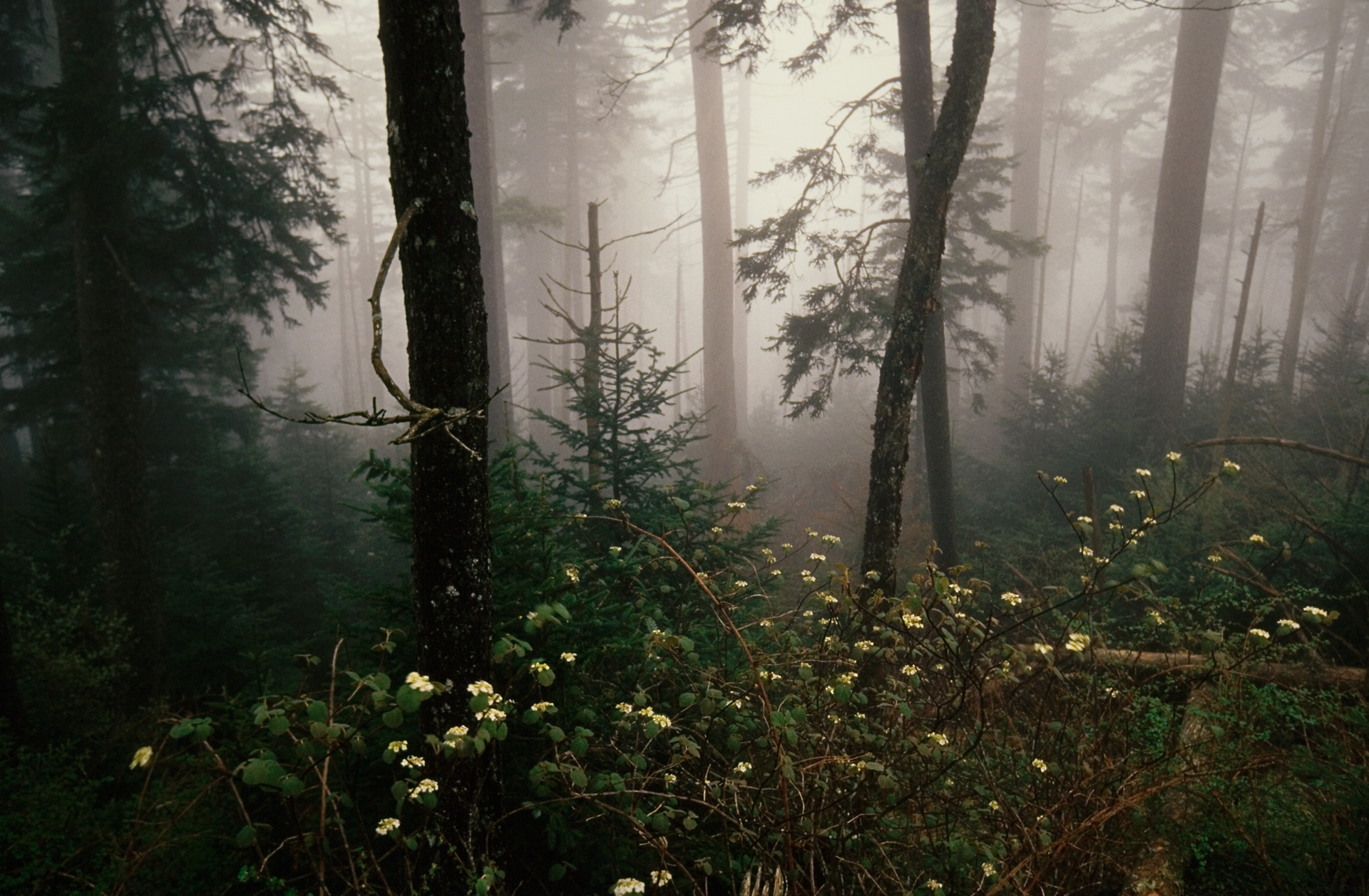
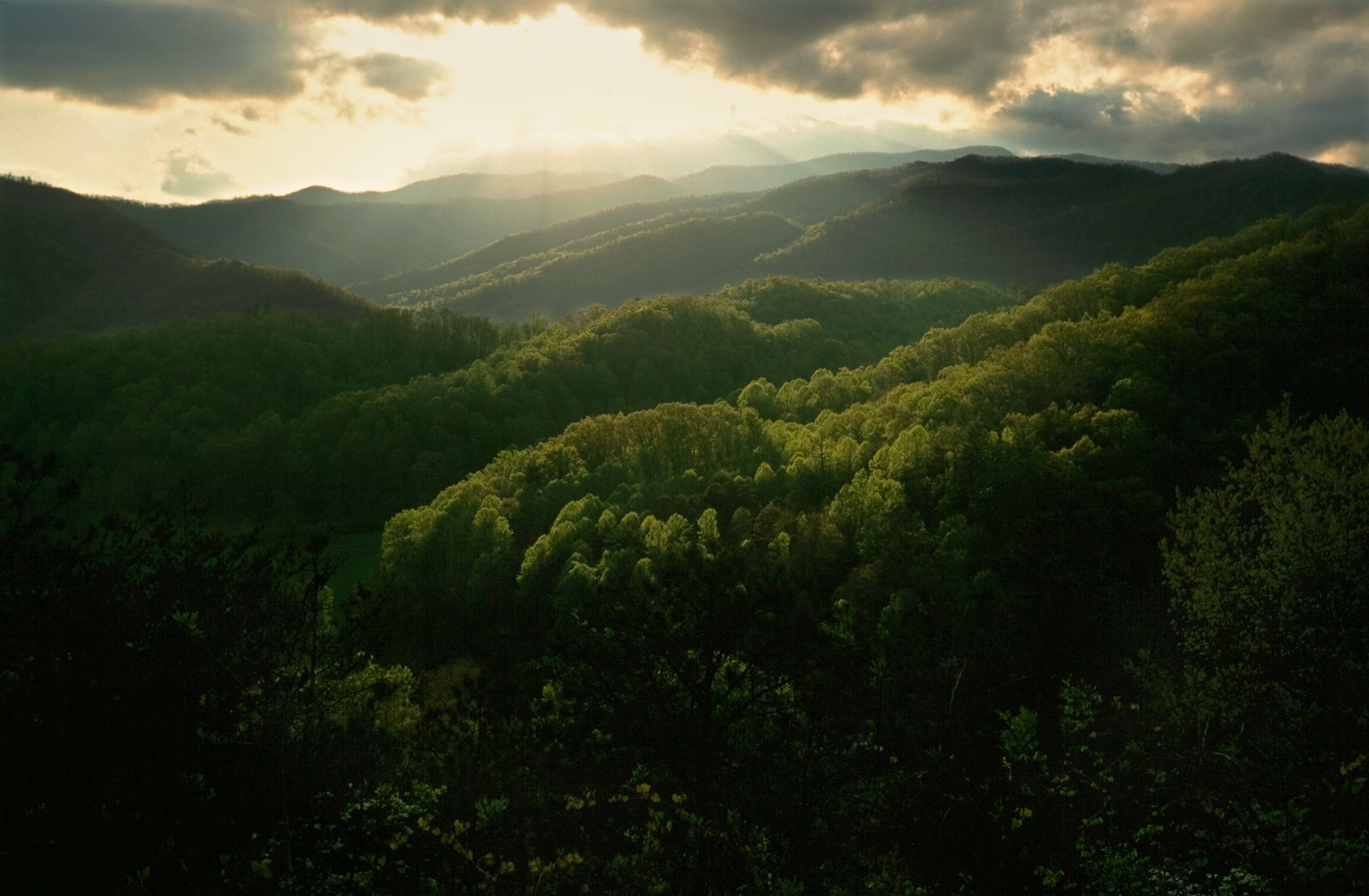
Perhaps the most aptly named geographic landmark in the world, the majestic mountain range that spans the borders of North Carolina and Tennessee was dubbed “Place of Blue Smoke” by the Cherokee Indians due to its perennial blanket of smoky-blue mist – a natural effect of oily residues and water vapor from its richly diverse forests.
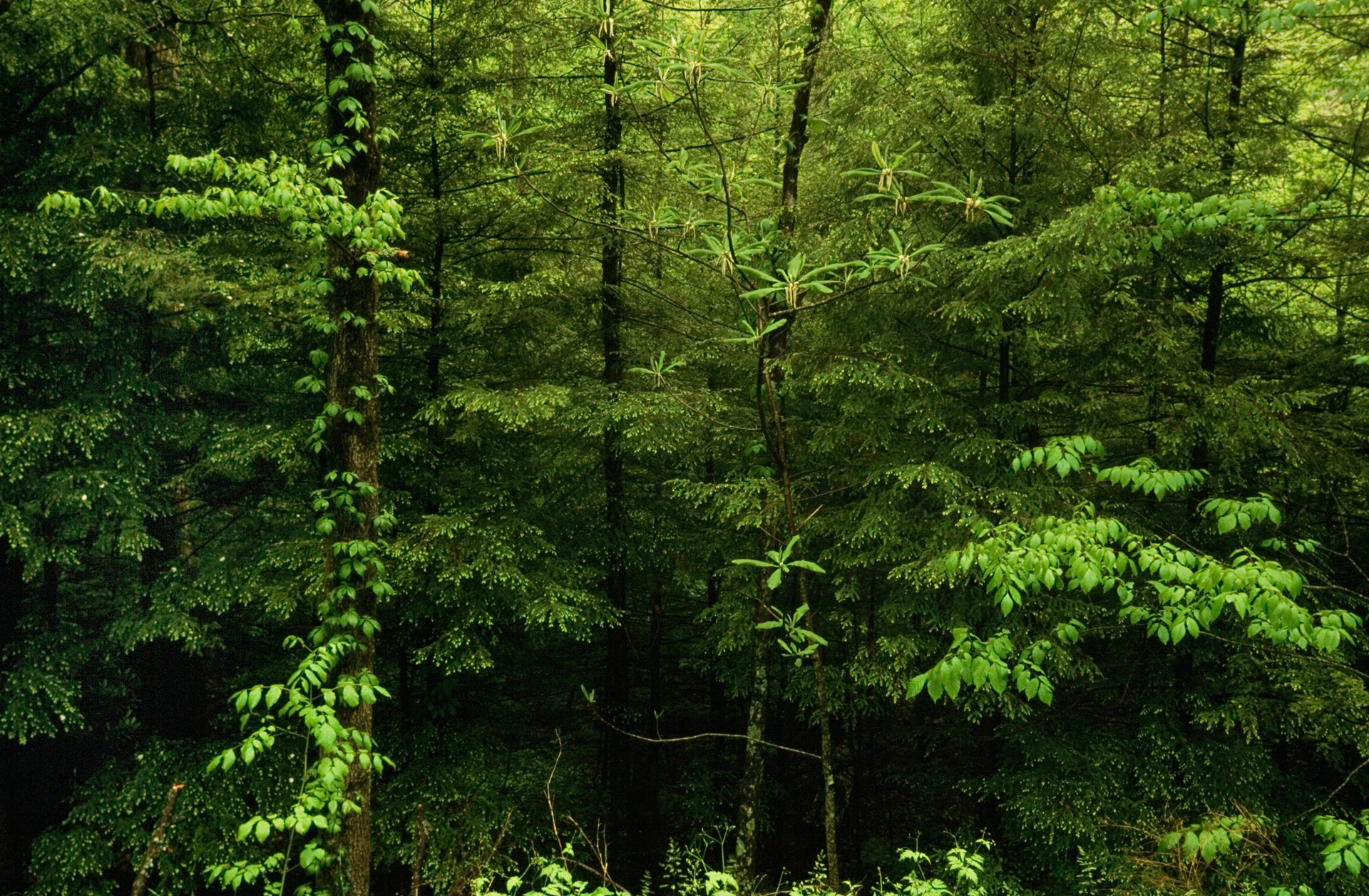
In 1930, Great Smoky Mountains National Park became one of the largest protected areas of the eastern United States and America’s most visited national park, now attracting more than 9 million visitors annually. The park encompasses 814 square miles of spectacular scenic beauty and abundant wildlife. Since 1997, it has been the subject of a survey to identify and catalog every single species found in the park. The sustained search and discovery has led scientist to believe that the Smokies contain a level of biodiversity rivaled only by the great tropical rainforests.
Today, that biodiversity is threatened as the Great Smokies’ signature blue fog is being replaced by a toxic yellow haze produced by power plants, ozone pollution and automobile emissions carried by the wind from distant cities. These air born pollutants, trapped by the mountains’ physical structure combined with predominant weather patterns, are not only degenerating the visibility of its impressive scenic views, but damaging plant and animal species, degrading water and soil, and increasingly putting human health at risk.